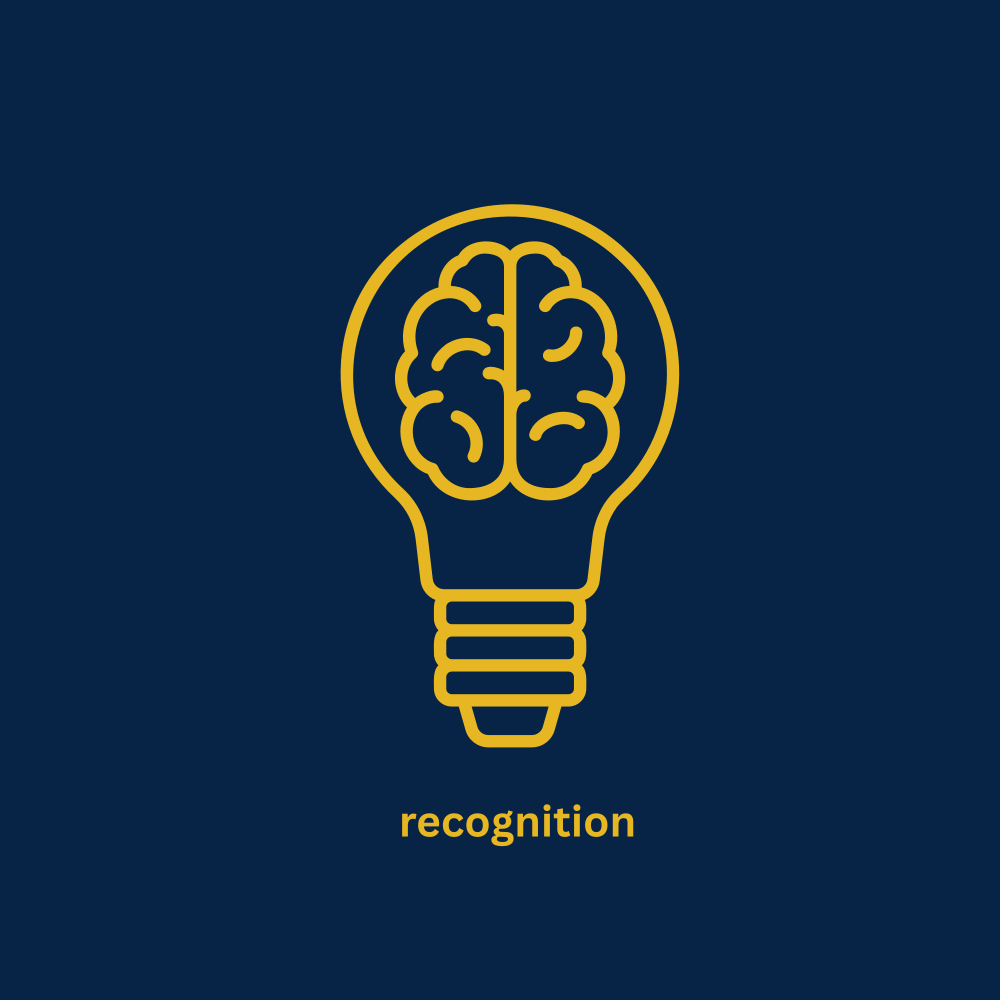
Recognition Intent: The Missing First Stage of Search Intent
People don’t start with keywords.
They start with recognition.
Before someone searches for solutions, compares vendors, or fills out a form, there is a quieter moment—when a problem, need, or opportunity becomes clear enough to act on. That moment is Recognition Intent.
Recognition Intent explains how demand actually begins, not how content is matched after the fact.
Recognition Intent is a marketing concept that describes the earliest stage of search behavior — the moment a buyer first becomes aware of a problem or need before they begin informational, commercial, or transactional searches.
It is not related to AI “intent recognition” models used in cybersecurity or machine learning. Recognition Intent refers specifically to human search behavior and demand formation in marketing.
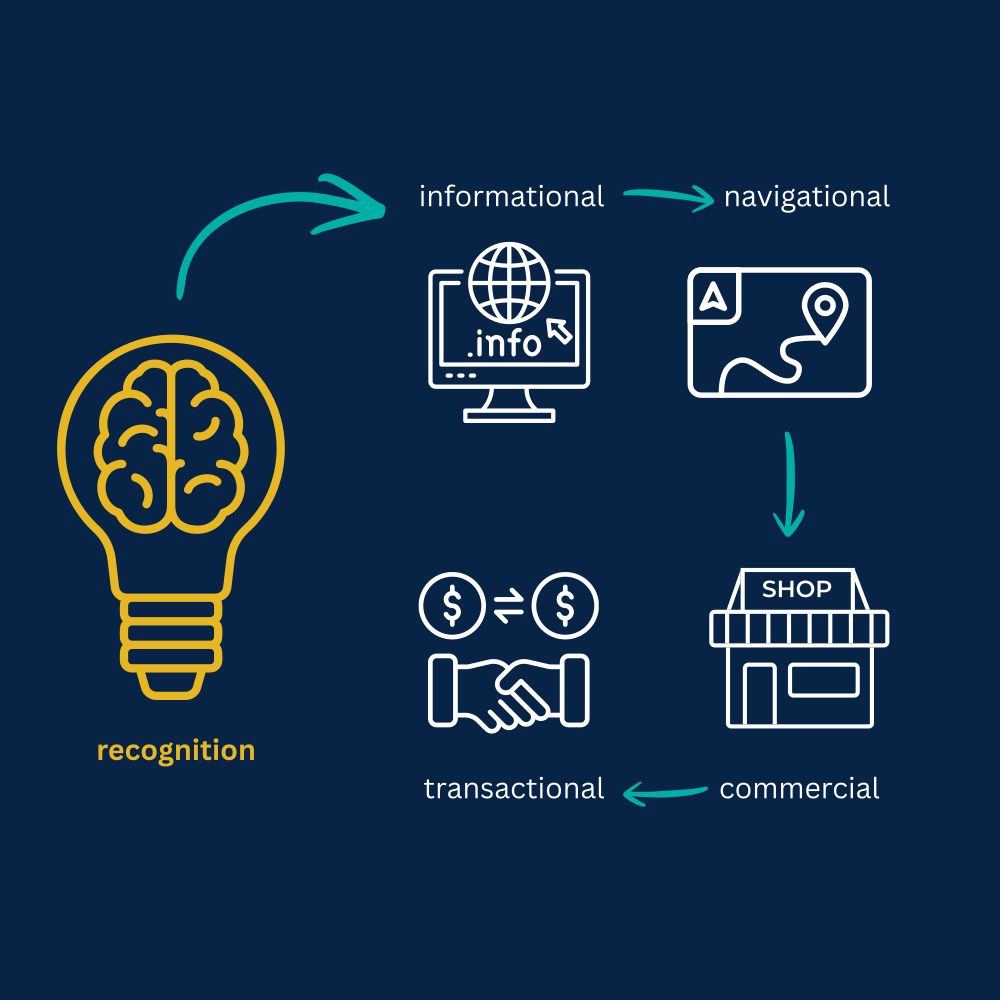
Search intent is widely understood and taught through four familiar categories:
✅ Informational
✅ Navigational
✅ Commercial Investigation
✅ Transactional
These stages of search intent are useful—but they all assume the buyers search journey has already begun.
What they don’t explain is what happens before the first search.
Most frameworks focus on:
- Matching content to keywords
- Optimizing pages for search results
- Converting visitors after they arrive
They overlook the moment when a person first realizes:
“I need to look into this.”
That gap is where Recognition Intent lives.
What Is Recognition Intent?
Recognition Intent is the moment a person becomes aware of a problem, need, or opportunity and begins expressing that recognition through early online behavior.
Recognition Intent is not the same as "intent recognition" in artificial intelligence or cybersecurity models. In marketing, Recognition Intent describes the earliest psychological stage before informational or commercial search begins.
It happens:
- Before structured research
- Before solution comparison
- Before contacting a business
Recognition Intent is cognitive first, behavioral second.
The person may not know:
- What the solution is
- What to search for yet
- Who to contact
But they do know something has changed—and they begin exploring.
Key characteristics of Recognition Intent:
- Unstructured or exploratory behavior
- Early searches framed as symptoms, not solutions
- Repeated research without conversion
- Site visits without form fills
- Comparison without commitment
Recognition Intent vs Informational Intent
Recognition Intent
“Something is wrong / something changed”
Problem-aware, solution-uncertain
Behavior is exploratory and fragmented
Informational Intent
“I want to learn about options”
Solution-aware
Content-driven and structured
Recognition Intent is what triggers informational searches.
It is the bridge between offline realization and online research.
Recognition Intent has always existed—but it hasn’t been visible.
That’s because most tools are built to measure what happens at the end of the journey—page views, clicks, form submissions, and conversions. They’re great at telling you what worked after someone took action, but not so great at spotting the early signals when intent is just starting to form. The result is that early demand goes unnoticed, visitors stay anonymous, and high-intent behavior often looks like a bounce or lost traffic. Recognition Intent isn’t missing—it’s simply invisible to traditional analytics.
How Recognition Intent Fits Into the Search Intent Ecosystem
Recognition Intent does not replace traditional search intent stages.
It completes them.
1. Recognition Intent – problem realization
2. Informational Intent – learning
3. Commercial Investigation – comparison
4. Transactional Intent – action
5. Navigational Intent – brand-specific
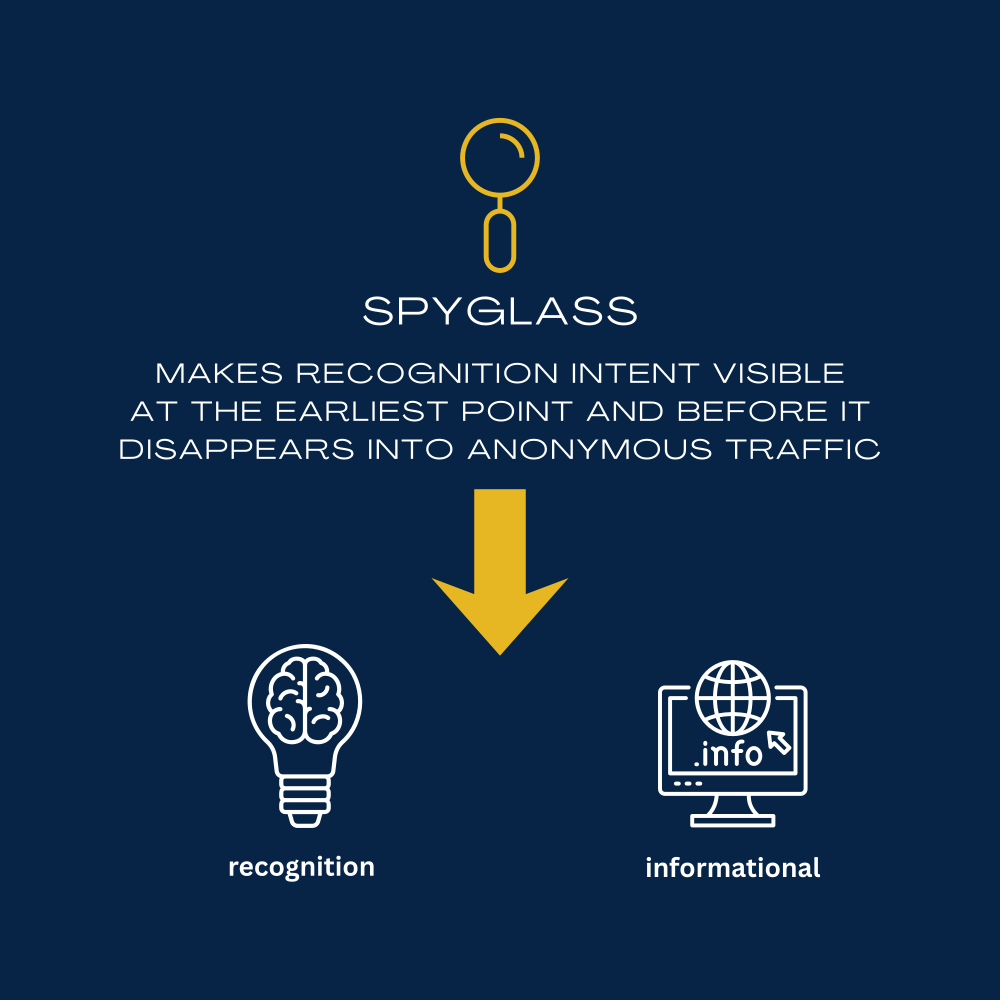
SpyGlass complements the existing search intent ecosystem by making Recognition Intent visible as it turns into online behavior.
It does not replace:
SEO
Content marketing
Advertising
It provides earlier visibility into demand, allowing businesses to recognize intent before it disappears into anonymous traffic. By connecting intent signals to real people through name, contact information, and relevant demographic data, SpyGlass turns anonymous demand into something you can actually act on.
This allows downstream marketing—content, ads, follow-up—to work with timing and precision, not guesswork.
Search intent didn’t start with keywords.
It started with recognition.
Recognition Intent names that moment—and makes it visible.
Start with Visibility. Everything Becomes Easier When You Can See Demand.

Innovation
Leverage Automation.

Experience
Results Created BY Business Onwers
FOR Business Owners.

Excellence
100% risk free - 30 day money back guarantee
FOLLOW US


COMPANY
CUSTOMER CARE
LEGAL
Copyright 2026. Shift Smart AI . All Rights Reserved.